// The Rotorua local guide
Rotorua travel guide: the local's way.
Te Rotorua-nui-a-Kahumatamomoe · Geothermal capital
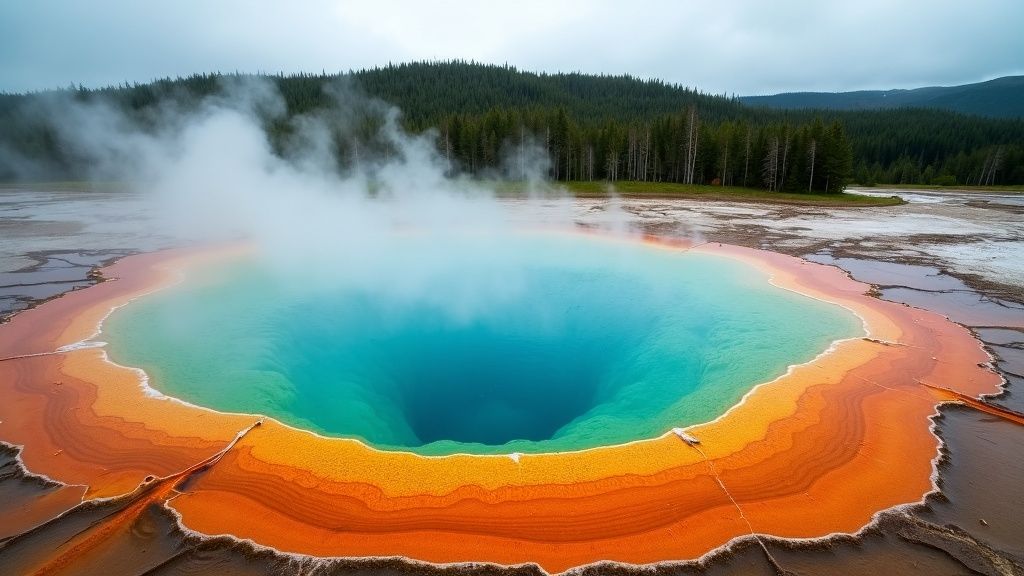
Rotorua — Te Rotorua-nui-a-Kahumatamomoe — is New Zealand's geothermal heartland, a city where steam drifts off the footpaths, mud pools plop and the famous sulphur tang hangs in the air. It's also the home of Te Arawa and the most accessible place in the country to experience living Māori culture — a hāngī drawn from the earth, a powerful haka, a village where whānau still cook in boiling springs. Around it lie a chain of mirror-calm lakes, the towering Redwoods forest with its world-class mountain biking, and silica terraces in impossible colours. This is our local guide — when to come, the areas to know, a perfect day, getting around and where to stay for every budget.
When to go
The best time to visit Rotorua
Summer (Dec–Feb)
PeakLong, warm days (22–25°C) with the lakes at their best for swimming, kayaking and trout fishing, plus the busiest forest trails and cultural evenings. School holidays push prices up — book accommodation and hāngī experiences well ahead.
Autumn (Mar–May)
CalmOur quiet tip: settled, golden weather, glassy lakes and the Redwoods at their most atmospheric under cool, still air. Thinner crowds and easier bookings make March–April a lovely time to visit Rotorua.
Winter (Jun–Aug)
Magic valueSteam-and-hot-pools season. Crisp days, fewer visitors and the lowest prices of the year, while the geothermal parks and mineral pools feel even more magical in the cold. There's no bad-weather day when soaking is the whole point.
Spring (Sep–Nov)
FreshLambs, blossom and lengthening days. The forest is fresh and green, the trails dry out and you slip in before the summer rush — great for biking, walking and the lakes warming up.
Where to base yourself
Rotorua areas to know
Whakarewarewa & Te Puia
The geothermal heart — the living village of Whakarewarewa where whānau still cook in boiling pools, and neighbouring Te Puia where the Pōhutu geyser erupts up to 30m, sometimes twice an hour, beside the national carving and weaving schools.
The Redwoods — Whakarewarewa Forest
Ten minutes from town, the air turns cool and green under towering Californian redwoods. The city's playground: 130km+ of world-class mountain-bike singletrack, walking loops, and the canopy Treewalk that glows after dark with the Nightlights.
Lakefront & Ohinemutu
The shore of Lake Rotorua, where the Sutton Beach lakefront meets Ohinemutu — a working Te Arawa village with steam drifting past St Faith's Church and the marae. The soul of the city, and pure calm at dawn.
The Blue & Green Lakes (Tikitapu)
A short drive east, Tikitapu (the Blue Lake) and Rotokākahi (the Green Lake) sit side by side in startlingly different hues, with a swim beach, a forest walking loop and the road on to Lake Tarawera. Postcard country.
Wai-O-Tapu & the southern thermal parks
Half an hour south lie the most colourful geothermal wonderlands — Wai-O-Tapu's Champagne Pool and Artist's Palette, the Lady Knox Geyser, and the bubbling mud at the Mud Pool. Otherworldly silica terraces in colours that don't look real.
The CBD & Eat Streat
The compact, walkable centre — Eat Streat's covered, geothermally-heated dining strip, craft-beer bars, cafés and the gateway to free Kuirau Park. Where the day winds down over local kai.
Do it like a local
A perfect day in Rotorua
Steam at sunrise, culture at lunch, trails in the afternoon and a hot-pool soak at dusk — this is how a local spends a great Rotorua day.
- •8:30
Geysers & geothermal
Start at Te Puia or Whakarewarewa to watch the Pōhutu geyser erupt, walk the silica flats and feel the ground breathe. The most Rotorua thing you can do.
- •12:00
Hāngī & living culture
Share a hāngī lunch and a cultural experience with Te Arawa — earth-cooked kai, carving, weaving and the stories behind the steam.
- •14:00
The Redwoods
Cool off under the giant redwoods — wander the Treewalk through the canopy, or hire a bike and drop into the singletrack the Crankworx crowd comes for.
- •16:00
Blue & Green Lakes
Drive the rim road to Tikitapu and Rotokākahi for a swim and the glassy lake views, on past towards Lake Tarawera if there's time.
- •18:00
Hot pools at dusk
Slip into the mineral pools at the Polynesian Spa on the lakefront as the light fades — silky geothermal water easing everything the day demanded.
- •20:00
Dinner on Eat Streat
Finish on the covered, geothermally-heated Eat Streat in the CBD — local craft beer, fresh kai and an easy walk back to your bed.
Getting around
How to get around Rotorua
On foot
The CBD is small and flat — Eat Streat, the lakefront, Kuirau Park's free hot pools and most cafés are all within an easy walk of each other.
Car
The best way to reach the thermal parks — Wai-O-Tapu, Waimangu and the lakes are 15–40 minutes out and not well served by public transport. A rental gives you the whole region.
Bikes
Rotorua is a mountain-biking mecca. Hire from shops near the Redwoods and ride straight into 130km+ of forest singletrack, or take the gentler lakeside and city trails.
Shuttles & tours
Don't want to drive? Operators run shuttles and small-group tours to the geothermal parks, lakes and cultural evenings, with pick-up from town.
Where to stay
Where to stay in Rotorua, by budget
Luxury
$$$Lakefront, Lake Tarawera, country lodges
Lakeside lodges and boutique retreats with private hot pools and water views — the quiet, indulgent end of Rotorua, often just out of town.
Mid-range
$$Fenton Street, CBD fringe
Fenton Street is the city's motel mile — dozens of tidy, well-priced motels and apartment-style stays, many with their own mineral pool, a short drive or walk from the centre.
Budget
$CBD, holiday parks, lakeside campgrounds
Hostels and central guesthouses for walkability, or lakeside holiday parks and campgrounds with cabins, powered sites and geothermal pools for families and road-trippers.
Insider tips
Rotorua local tips
- 01The sulphur smell is completely normal — it's the geothermal activity, not the drains. Locals stopped noticing it years ago, and you will too within a day.
- 02Book cultural evenings and hāngī experiences ahead, especially in summer and school holidays — the best ones sell out days in advance.
- 03Kuirau Park has free public hot foot-pools and steaming vents right in the CBD — a no-cost taste of the geothermal magic before you pay for the big parks.
- 04Rotorua is a world-class mountain-biking destination — even if you're not a rider, the Redwoods walking trails and Treewalk are stunning, and forest entry is free.
- 05For lake swimming, Tikitapu (the Blue Lake) and the Hamurana/Hannahs Bay spots are favourites — and never swim in Rotokākahi (the Green Lake), which is tapu (sacred) and off-limits.
- 06Tipping isn't expected and prices include 15% GST — what's on the menu or the sign is what you actually pay.
Good to know
Rotorua travel FAQ
What's the best time to visit Rotorua?+
Summer (December–February) is warmest and best for the lakes, but busy. For the magic of steam and hot pools with fewer crowds and the lowest prices, winter is wonderful, while autumn (March–April) offers calm, golden weather and easy bookings.
How many days do you need in Rotorua?+
Two to three days lets you take in a geothermal park, a Māori cultural evening and hāngī, the Redwoods, the lakes and a hot-pool soak. Add a day for a southern thermal park like Wai-O-Tapu or a trip out to Lake Tarawera.
How do you get around Rotorua?+
The compact CBD is walkable, but a car is the easiest way to reach the geothermal parks and lakes a short drive out of town. Bikes are perfect for the Redwoods, and shuttles or small-group tours cover the sights if you'd rather not drive.
Where should I stay in Rotorua?+
Fenton Street's motels are the value sweet spot, many with their own mineral pool. The CBD suits walkers, lakeside lodges are the luxury pick, and holiday parks and campgrounds are great for families and road-trippers.
What is Rotorua known for?+
Geothermal wonders — geysers, hot pools, bubbling mud and silica terraces — plus living Te Arawa Māori culture, hāngī and haka, a chain of beautiful lakes, and the Redwoods forest with its world-class mountain biking.
Is Rotorua worth visiting, and what about the smell?+
Absolutely — it's one of New Zealand's most unique destinations, packing geothermal wonders, Māori culture, lakes and adventure into a compact, affordable city. The sulphur smell is just the geothermal activity; it's harmless, and most visitors stop noticing it within a day.